Structured Cabling & Fibre – The Foundation of Modern School Networks
Why High-Quality Cabling Is Essential for Meeting the DfE’s Digital and Technology Standards
When schools invest in new WiFi, network switches or cloud-based learning platforms, the focus is often on the latest technology. However, every successful IT network depends on something much less visible: the structured cabling and fibre infrastructure that connects everything together.
From classroom computers and wireless access points to CCTV cameras, access control systems and interactive displays, every connected device relies on a robust physical network.
As the Department for Education (DfE) continues to promote reliable, secure and scalable digital infrastructure through its Digital and Technology Standards, schools should view structured cabling and fibre as long-term investments that form the backbone of their digital strategy.
The Hidden Infrastructure Behind Every School Network
A school’s network is much like a road network. The faster the vehicles become, the better the roads need to be.
No matter how advanced your WiFi access points, network switches or internet connection are, they can only perform as well as the infrastructure connecting them.
A modern school network supports:
WiFi 7 access points
Classroom computers
Interactive displays
Microsoft 365 and Google Workspace
IP telephony
CCTV systems
Access control
Visitor management
Building management systems
Printers and scanners
Audio visual equipment
Environmental monitoring and IoT devices
Each of these systems places increasing demands on the physical network.
Supporting the DfE’s Digital and Technology Standards
The DfE’s Digital and Technology Standards don’t specify individual cable types or manufacturers. Instead, they encourage schools to deploy infrastructure that is:
Reliable
Secure
Resilient
Scalable
Easy to maintain
Ready for future technologies
A professionally designed structured cabling system helps schools meet these objectives by providing a consistent, high-performance foundation for all digital services.
Rather than replacing cabling every few years, schools should invest in infrastructure capable of supporting future network upgrades.
Why Structured Cabling Matters
Structured cabling is far more than simply running Ethernet cables through a building.
A properly designed cabling system provides:
Consistent network performance
Simplified maintenance
Easier fault diagnosis
Greater flexibility
Support for future expansion
Reduced long-term costs
Well-designed structured cabling also makes future classroom refurbishments and technology upgrades significantly easier.
Why Cat6A Is the Preferred Choice for Modern Schools
For many new school projects, Category 6A (Cat6A) has become the preferred choice for horizontal cabling.
While older Cat5e and Cat6 installations continue to operate in many schools, new deployments should consider the demands of modern networking.
Cat6A offers several advantages.
Support for 10 Gigabit Ethernet
Cat6A supports 10 Gigabit Ethernet over the full 100-metre channel length.
This provides the bandwidth required for:
High-performance network switches
WiFi 7 access points
High-speed servers
Storage systems
Future network upgrades
With growing reliance on cloud services and multimedia learning, higher bandwidth is becoming increasingly important.
Ready for Multi-Gigabit Networking
Many enterprise WiFi 7 access points are capable of exceeding 1Gbps of throughput.
Cat6A supports multi-gigabit Ethernet technologies, helping schools unlock the full performance of their wireless infrastructure.
Power over Ethernet (PoE)
Many devices now receive both power and network connectivity over a single Ethernet cable.
Examples include:
Wireless access points
CCTV cameras
Access control readers
VoIP telephones
Digital signage
Clock systems
Cat6A is well suited to supporting modern PoE standards while helping manage heat within larger cable bundles.
Fibre: The Backbone of the Campus
While copper cabling connects devices within classrooms, fibre optic cabling forms the high-speed backbone between communications cabinets and buildings.
Every school should consider whether its fibre infrastructure is capable of supporting future network demands.
Fibre provides:
Extremely high bandwidth
Long transmission distances
Electrical isolation
Immunity to electromagnetic interference
Excellent long-term scalability
Without adequate fibre, bottlenecks can occur even when classroom cabling has been upgraded.
Single-Mode vs Multi-Mode Fibre
Many older school campuses use multimode fibre installed years ago.
For new installations, however, many organisations now favour single-mode fibre because of its long-term scalability.
Single-mode fibre offers:
Higher potential bandwidth
Longer transmission distances
Support for future network technologies
Reduced need for replacement
Excellent long-term value
Although the electronics differ, the cost of installing the fibre itself is often comparable, making single-mode an attractive investment for schools planning ahead.
Preparing for WiFi 7
Schools upgrading to WiFi 7 should consider the entire network, not just the wireless access points.
A successful deployment typically includes:
Cat6A structured cabling
Multi-gigabit switching
Adequate Power over Ethernet
High-capacity fibre backbone
Professionally designed communications cabinets
Taking a holistic approach ensures every component supports the increased performance of modern wireless networking.
Communications Cabinets Matter Too
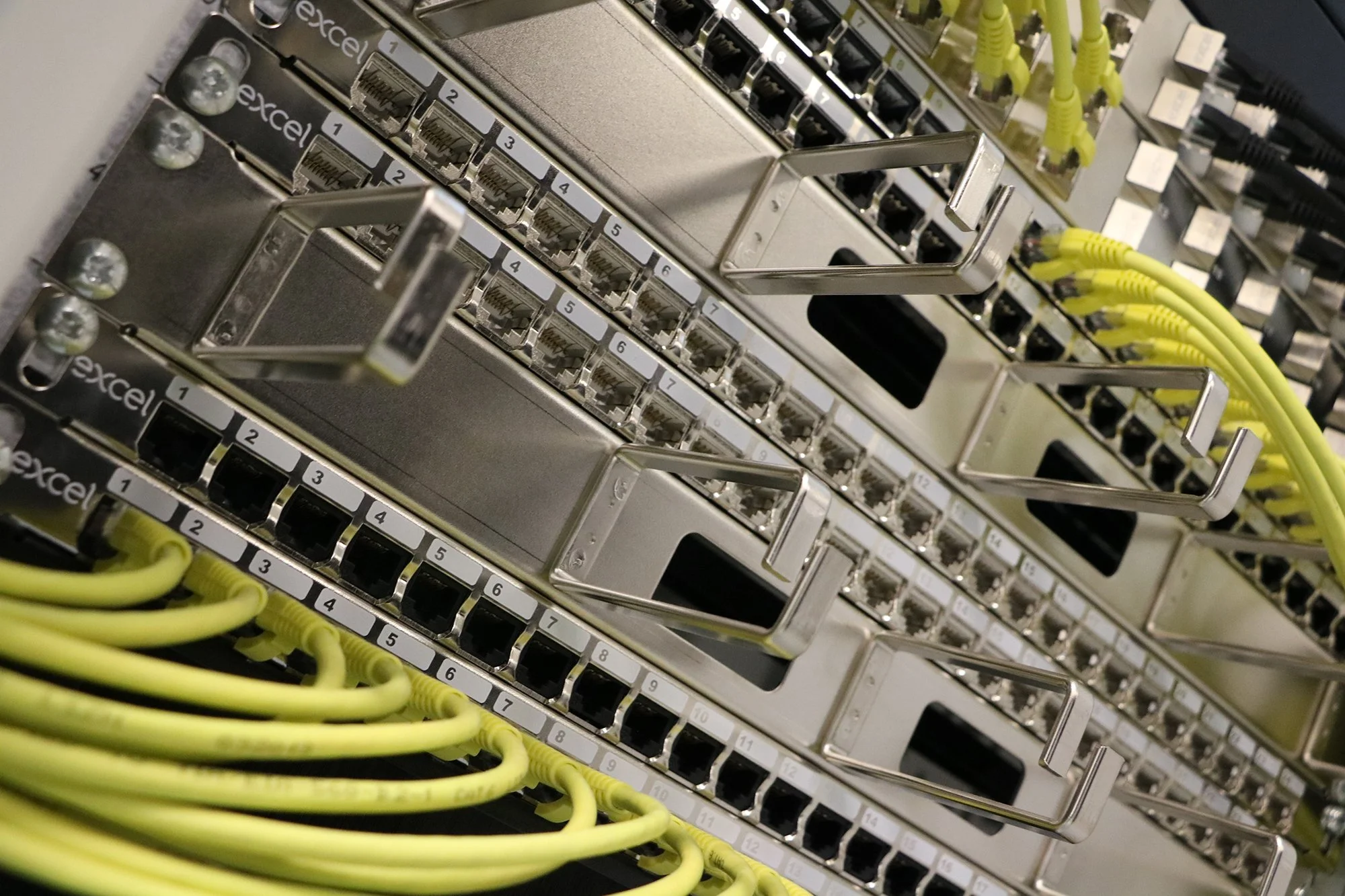
Communications cabinets are often overlooked during school IT projects, yet they play a vital role in maintaining a reliable network.
Best practice includes:
Clearly labelled patch panels
Professional cable management
UPS protection
Environmental monitoring where appropriate
Sufficient rack capacity for future growth
Proper ventilation and cooling
Organised cabinets simplify maintenance, reduce downtime and make future upgrades much easier.
Planning for Growth
Schools rarely remain static.
Over the lifetime of a structured cabling installation, it’s common to see:
New classroom blocks
Additional access points
More student devices
Expanded CCTV coverage
New safeguarding systems
Smart building technologies
AI-powered learning platforms
By designing infrastructure with spare capacity today, schools avoid costly upgrades tomorrow.
Why Professional Design Is Essential
No two schools are the same.
Victorian buildings, listed properties, modular classrooms and large campuses all present different challenges.
Professional network design considers:
Current and future device numbers
Building layouts
Communications cabinet locations
Fibre routing
Cable containment
PoE requirements
Future expansion
Compliance with recognised cabling standards
Ease of maintenance
Investing time in the design stage ensures the network remains fit for purpose for many years.
How Syntec Supports Schools
At Syntec, we specialise in designing and installing structured cabling and fibre infrastructure for schools, academies and multi-academy trusts across the UK.
Our engineers understand that every successful digital transformation starts with a reliable physical network.
We provide:
Structured cabling design
Cat6A installation and testing
Fibre optic installation and termination
Single-mode and multimode fibre solutions
Communications cabinet design and installation
Network switching
WiFi 7 deployments
Network audits and infrastructure assessments
Whether you’re constructing a new teaching block, upgrading an existing campus or preparing for WiFi 7, we’ll design an infrastructure that supports both today’s requirements and tomorrow’s technologies.
Invest in the Foundations of Your Digital Strategy
Technology changes rapidly, but structured cabling and fibre remain in place for many years. That’s why investing in high-quality infrastructure is one of the most important decisions a school can make.
A modern physical network supports better teaching, more reliable digital services and future innovation while helping schools align with the DfE’s Digital and Technology Standards.
If you’re planning a network refresh or new school development, Syntec can help you design and deliver a structured cabling and fibre solution that provides the resilience, performance and scalability your school needs for the future.
Contact Syntec today to discuss your structured cabling and fibre requirements or arrange a network infrastructure assessment.