Choosing the Right Structured Cabling for Your Project
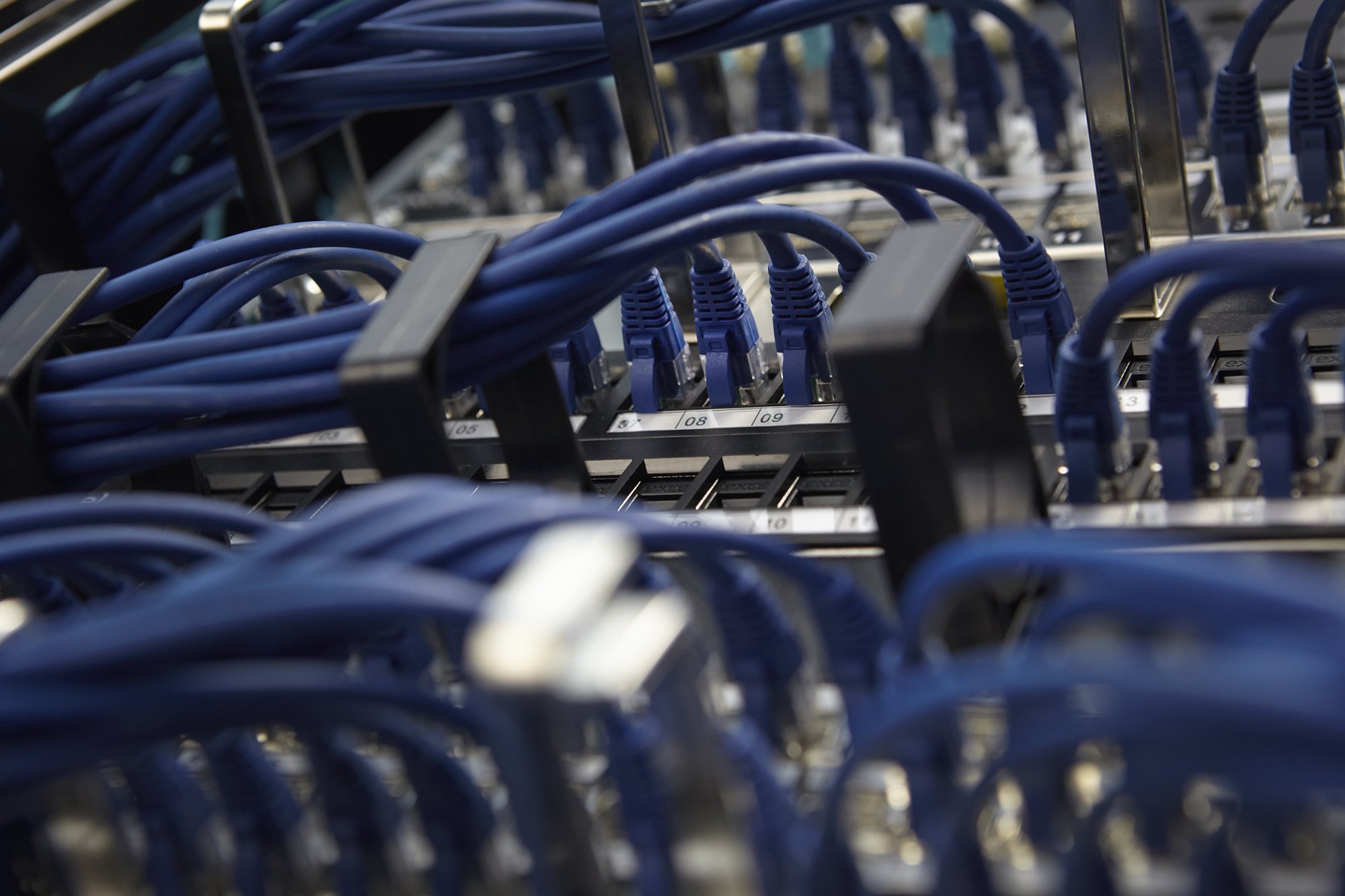
When planning a new network installation, office fit-out, warehouse development, or building refurbishment, one of the most important decisions you’ll make is selecting the right structured cabling infrastructure.
While switches, WiFi access points, and servers may be upgraded every few years, the cabling infrastructure is often expected to last 15 to 20 years or more. Choosing the correct cabling at the outset can save significant time, money, and disruption in the future.
At SynTechnologies, one of the most common questions we’re asked is:
“What type of cabling do I actually need?”
The answer depends on your current requirements, future growth plans, and the environment in which the network will operate.
What Is Structured Cabling?
Structured cabling is the physical infrastructure that connects all of the devices on your network.
This includes:
Data outlets
Patch panels
Copper cabling
Fibre optic cabling
Network cabinets
Cable management systems
A well-designed structured cabling system provides a flexible foundation that supports your network today while allowing for future expansion.
Think of it as the backbone of your IT infrastructure.
Why Choosing the Right Cabling Matters
Many organisations focus heavily on networking equipment but overlook the cabling that connects everything together.
Poor cabling choices can lead to:
Reduced network performance
Limited upgrade options
Increased maintenance costs
Frequent troubleshooting
Premature infrastructure replacement
The right cabling system should support both your current needs and the technologies you expect to use in the years ahead.
Understanding Copper Cabling Options
Category 5e (Cat5e)
Cat5e remains widely used and supports network speeds up to 1 Gigabit Ethernet over standard distances.
While suitable for many smaller installations, it is increasingly being replaced by higher-performance alternatives.
Best suited for:
Small office environments
Basic connectivity requirements
Legacy installations
For most new projects, we would typically recommend considering Cat6 or above.
Category 6 (Cat6)
Cat6 has become the standard choice for many business network installations.
It offers improved performance and supports:
1 Gigabit Ethernet up to 100 metres
10 Gigabit Ethernet over shorter distances
Power over Ethernet (PoE) devices
Modern WiFi access points
VoIP telephony
Best suited for:
Offices
Schools
Retail environments
General business applications
For many organisations, Cat6 provides the ideal balance between performance and cost.
Category 6A (Cat6A)
As network speeds and power requirements continue to increase, Cat6A is becoming the preferred choice for many new installations.
Benefits include:
Full 10 Gigabit Ethernet support up to 100 metres
Improved resistance to interference
Better support for high-power PoE devices
Greater future-proofing
Best suited for:
New commercial developments
High-density WiFi deployments
Data-intensive environments
Buildings designed for long-term occupancy
Although the initial investment is slightly higher, Cat6A often provides better long-term value.
When Fibre Optic Cabling Is the Right Choice
Copper cabling is ideal for connecting end-user devices, but fibre optic cabling is often required for longer distances and higher bandwidth requirements.
Multimode Fibre
Multimode fibre is commonly used within buildings to connect:
Network cabinets
Floor distributors
Data rooms
Core switches
It provides high-speed connectivity over relatively short distances.
Single-Mode Fibre
Single-mode fibre is typically recommended for:
Warehouse installations
Campus environments
Multi-building sites
Industrial facilities
Future-proof infrastructure
Benefits include:
Long-distance connectivity
Extremely high bandwidth capacity
Lower signal loss
Greater scalability
For many new installations, single-mode fibre has become the preferred option due to its flexibility and future-proof capabilities.
Special Considerations for Warehouses and Industrial Environments
Warehouses, manufacturing facilities, and industrial sites present unique challenges.
Factors such as:
Dust
Vibration
Temperature fluctuations
Machinery
Long cable routes
must all be considered during the design phase.
In these environments, we often recommend:
Industrial-grade containment
Single-mode fibre backbones
Shielded copper cabling where appropriate
Robust cabinet infrastructure
Additional capacity for future expansion
Designing with future growth in mind can significantly reduce costs when additional equipment or coverage is required later.
Don’t Forget Power over Ethernet (PoE)
Many modern devices now receive both power and data through the network cable.
These include:
WiFi access points
IP cameras
VoIP phones
Access control systems
Digital signage
IoT devices
As PoE requirements increase, cabling quality becomes even more important.
Choosing the correct cable specification helps ensure devices receive reliable power and perform as expected.
Future-Proofing Your Investment
One of the biggest mistakes organisations make is designing solely for today’s requirements.
Technology evolves rapidly.
Five years ago, few businesses anticipated the growth of:
WiFi 6 and WiFi 7
Cloud applications
Video collaboration
Smart building technologies
IoT devices
AI-driven systems
A structured cabling installation should be designed with future growth in mind.
Investing slightly more today can prevent costly upgrades tomorrow.
Questions to Ask Before Choosing Cabling
Before starting your project, consider:
How long do you expect the building to be occupied?
Will network speeds increase in the future?
Are additional users likely to be added?
Will you deploy more wireless access points?
Do you plan to install CCTV or access control systems?
Could additional buildings or areas require connectivity later?
The answers will help determine the most appropriate solution for your environment.
How SynTechnologies Can Help
At SynTechnologies, we design and install structured cabling solutions that provide a reliable foundation for modern business networks.
Whether you’re fitting out a new office, upgrading an existing infrastructure, deploying warehouse WiFi, or connecting multiple buildings, our team can help specify the right solution for your requirements and budget.
We take the time to understand your current needs, future plans, and operational challenges to ensure your investment delivers long-term value.
If you’re planning a network project and want expert advice on the most suitable structured cabling solution, contact SynTechnologies today and speak with one of our specialists.