

Why Schools Should Upgrade to WiFi 7
Reliable wireless connectivity is no longer a convenience in education—it’s a necessity. From cloud-based learning platforms and AI-powered teaching tools to interactive displays and online assessments, today’s classrooms rely on high-performance WiFi to deliver engaging and effective learning experiences.

Building a Future-Ready School: Why Structured Cabling and Fibre Are Essential for Meeting the DfE’s Digital Standards
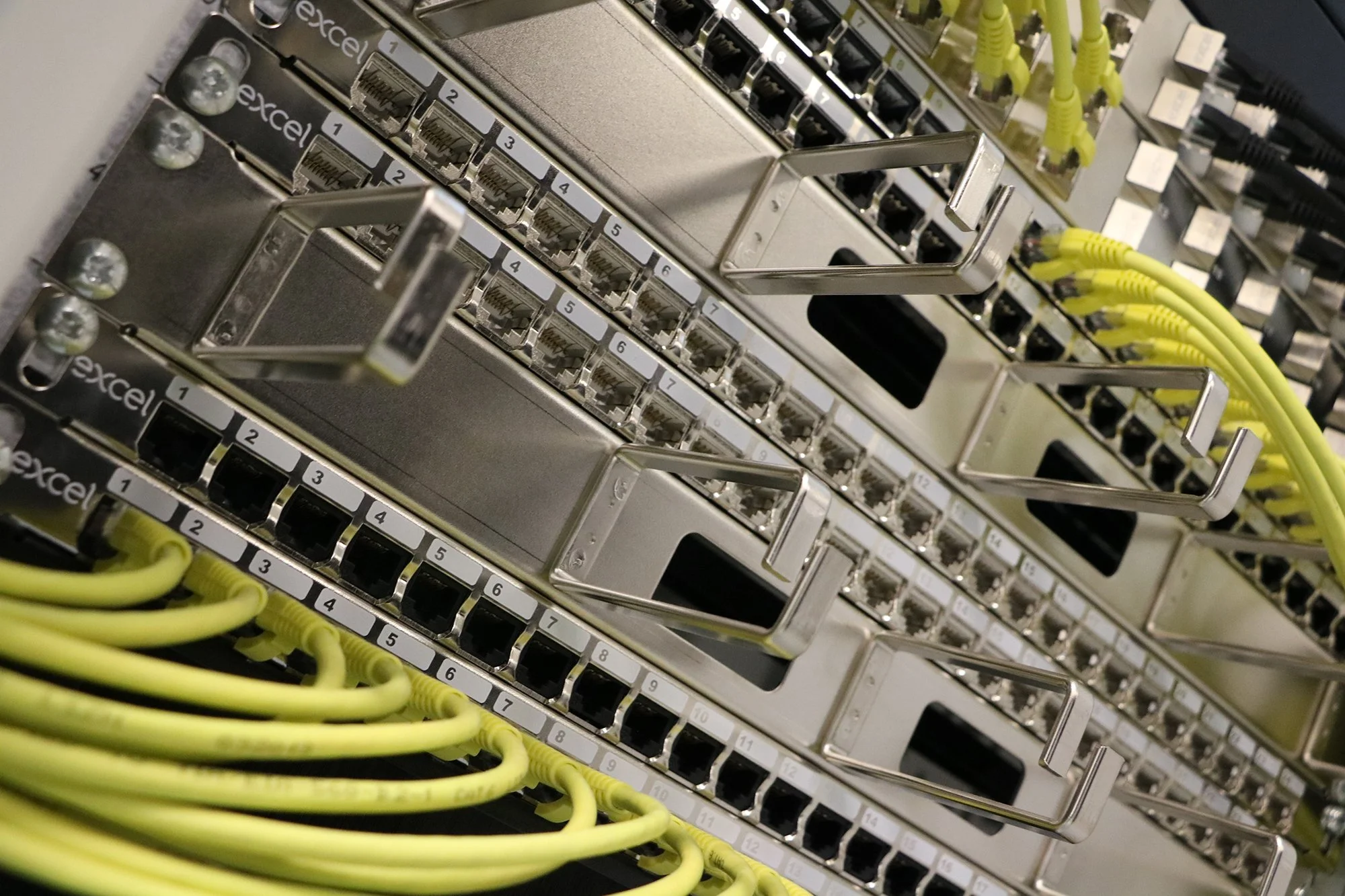
When schools think about upgrading their IT infrastructure, the focus often falls on WiFi access points, switches or internet connectivity. While these technologies are vital, they all rely on one critical foundation that’s often overlooked: the structured cabling and fibre infrastructure behind the scenes.
Structured Cabling & Fibre – The Foundation of Modern School Networks
When schools invest in new WiFi, network switches or cloud-based learning platforms, the focus is often on the latest technology. However, every successful IT network depends on something much less visible: the structured cabling and fibre infrastructure that connects everything together.

Why Schools Should Be Adopting the Latest WiFi Standards to Meet DfE Digital Expectations
Technology has become central to teaching, learning and school operations. From cloud-based learning platforms and interactive classrooms to online assessments and safeguarding systems, reliable wireless connectivity is no longer a luxury—it’s an essential part of modern education.

Why Schools Should Be Adopting WiFi 7 to Meet the DfE’s Digital Standards
As schools continue their digital transformation, reliable wireless connectivity has become as important as electricity or heating. From cloud-based learning platforms and online assessments to interactive teaching and safeguarding systems, today’s classrooms depend on fast, resilient and secure WiFi.

Which WiFi Access Points Are Right for Your Business?
Choosing the right WiFi access points (APs) can be confusing. With so many models available, it’s easy to assume that the most expensive option is the best choice. In reality, selecting the right access point is about matching the technology to your environment, users, and business requirements.
Why Every Business Should Carry Out a Professional WiFi Survey
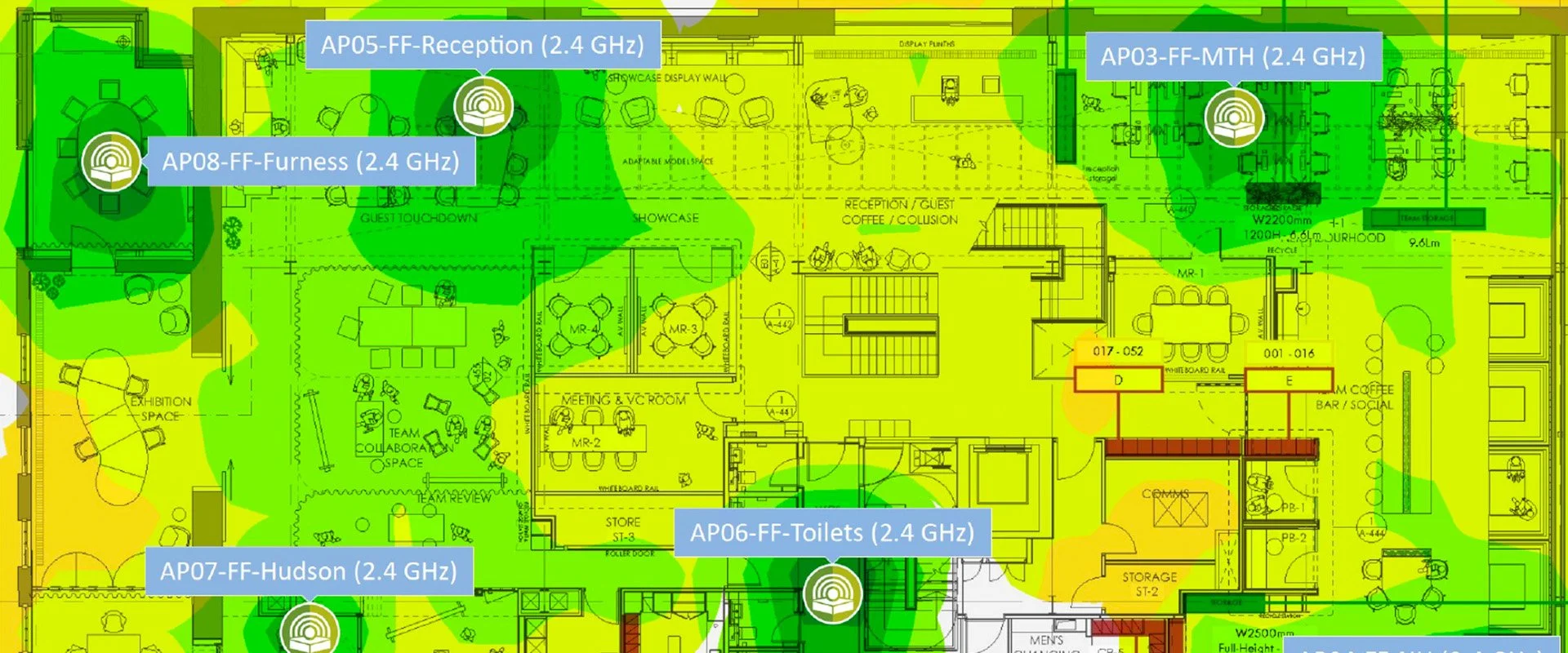
Reliable WiFi has become a critical business requirement. From cloud applications and VoIP telephony to barcode scanning, mobile devices, CCTV, and guest access, organisations rely on wireless connectivity more than ever before.

Understanding the DfE Network & Wi-Fi Standards for Schools
Technology has become an essential part of modern education. From cloud-based learning platforms and online assessments to safeguarding systems and one-to-one device programmes, schools are more dependent on their network infrastructure than ever before.

Why Retailers Are Choosing UniFi for Networking, Security & Store Connectivity
Modern retail is driven by technology. From point-of-sale systems and stock management to customer Wi-Fi, CCTV, and digital signage, retailers rely on robust and reliable infrastructure to keep stores operating efficiently and customers engaged.
Why Schools Are Choosing UniFi for Wi-Fi & Networking
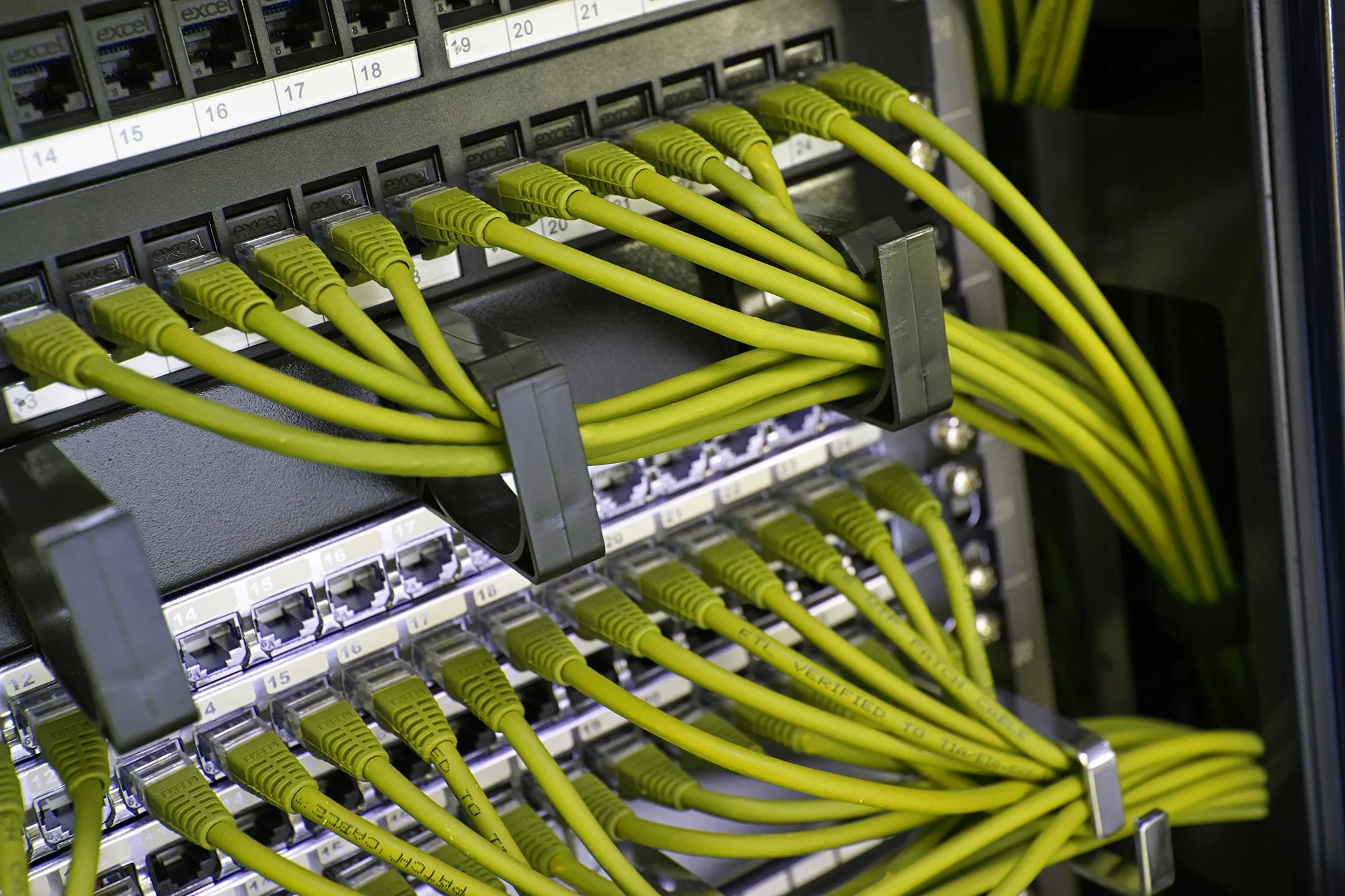
Technology has transformed the classroom. From cloud-based learning platforms and interactive displays to one-to-one device programmes and online assessments, schools are more dependent on reliable network infrastructure than ever before.

RED Cybersecurity Standards: Effective August 1 2025
The Radio Equipment Directive (RED) 2014/53/EU is a European Union law regulating radio equipment in the EU market. The goal is to ensure efficient use of the radio spectrum, minimising interference between devices, while upholding safety and security requirements.

Differences Between Wi-Fi 5, Wi-Fi 6, and Wi-Fi 7
Wi-Fi technology has evolved significantly over the years, with each new generation bringing improvements in speed, capacity, efficiency, and overall performance. Here’s a breakdown of the key differences between Wi-Fi 5 (802.11ac), Wi-Fi 6 (802.11ax), and the upcoming Wi-Fi 7 (802.11be).
The Consequences of Installing Too Many Access Points in Your Network
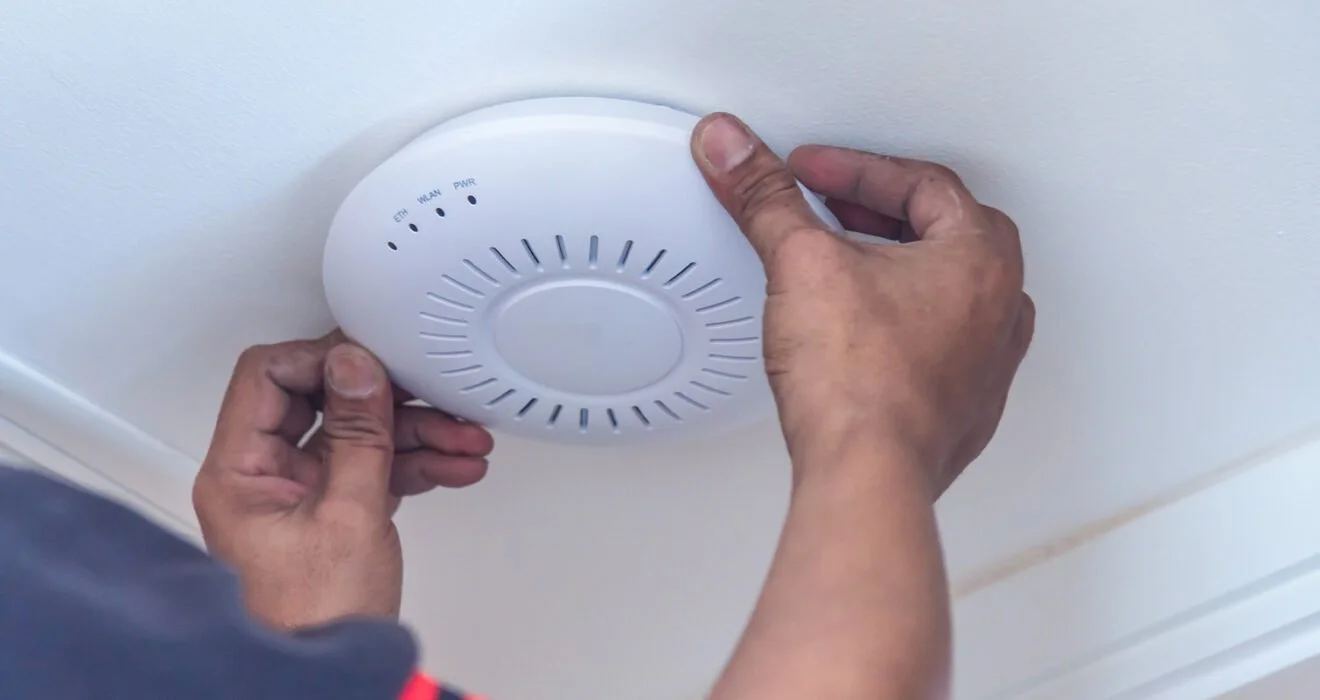
As organizations strive for robust wireless coverage and seamless connectivity, the temptation to install multiple access points (APs) can be strong. However, while having more access points may seem like a straightforward solution to enhance Wi-Fi performance, it can lead to several issues if not properly planned and managed.

The Importance of Containing Multicast Traffic
In modern networking, multicast traffic plays a crucial role in efficiently delivering data to multiple recipients simultaneously. However, if not managed properly, multicast traffic can lead to significant network congestion and performance degradation.

Should I Install BLE Access Points?
Installing Bluetooth Low Energy (BLE) access points can be a valuable addition to your network infrastructure, especially if you aim to enhance user experiences or implement location-based services.
Considerations When Deploying WiFi 7: A Comprehensive Guide
WiFi 7, also known as IEEE 802.11be, represents the next generation of wireless networking technology, promising faster speeds, increased capacity, and improved efficiency. As organizations and individuals look to leverage this cutting-edge technology, it’s essential to understand the key considerations when deploying WiFi 7.
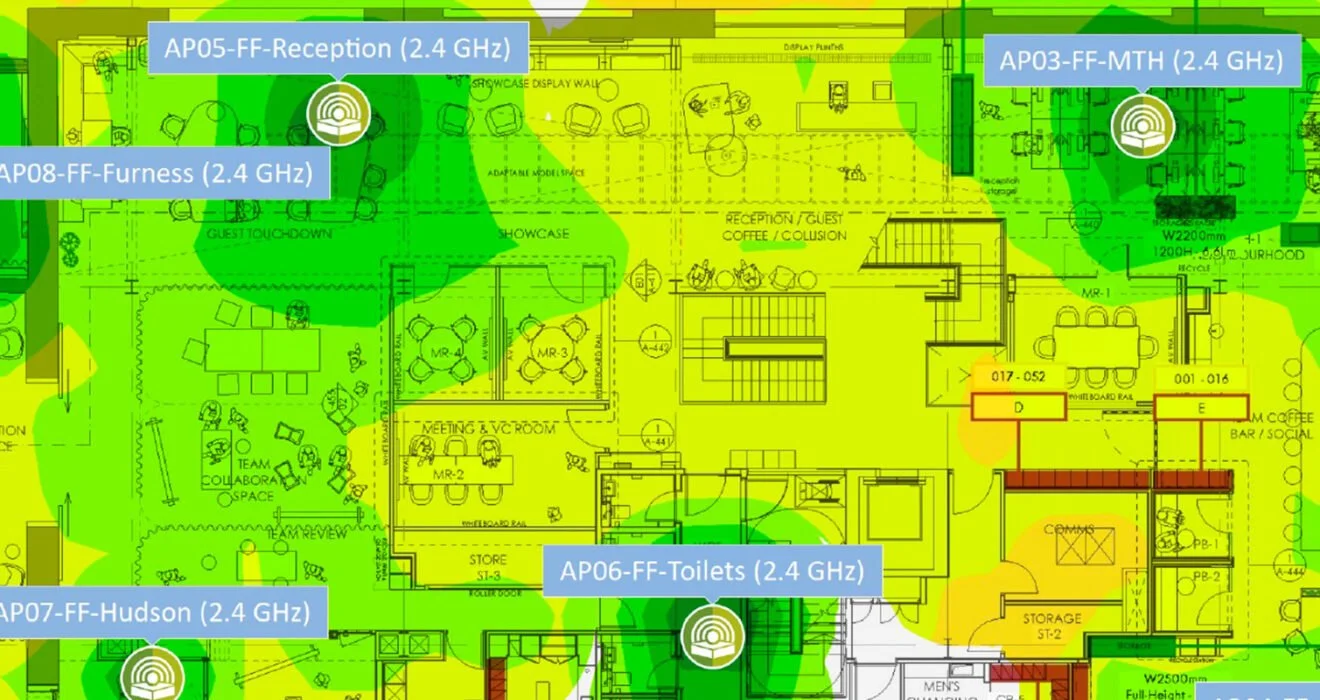
How to Conduct a Wi-Fi Survey on a Stick: A Step-by-Step Guide
In an era where reliable Wi-Fi connectivity is essential for both personal and professional environments, conducting a thorough Wi-Fi survey is critical to optimizing network performance. A “Wi-Fi survey on a stick” refers to a portable approach that allows you to assess Wi-Fi coverage and performance easily.

Omni vs. Directional Wi-Fi Deployments in a Warehouse: Which Is Right for You?
When it comes to establishing a reliable Wi-Fi network in a warehouse, choosing the right type of access point deployment is crucial. The two primary options are omni-directional and directional Wi-Fi deployments, each with its unique advantages and considerations.